
Fourth Training School
Follow the thread of PPB metabolic versatility
11-13 May 2026
University of Western Macedonia – Greece

KEY DATES
- Final date to apply for funding: 20th March 2026
- Communication, confirmation and funding (if applicable in the form of reimbursement) : 25th March 2026.
- Deadline for Early bird registration: 15th April 2026
COST Action
COST Action CA21146
COST Action CA21146 is a four-year networking action that aims at creating a European network to share information, facilitating technology and knowledge transfer between the academic and industrial sectors, related to Purple Photosynthetic Bacteria (PPB) applications for resource recovery from organic waste sources. Resource recovery includes wastewater or organic waste, open or closed environments, in single or chain processes.
The network associates fundamental-focused and applied research groups, improving lab-scale technology optimization through mechanistic modeling. It benefits the technology transfer from applied-research groups to industry, considerably improving process design. PURPLEGAIN also aims to create a database for techno-economic, social and environmental impacts studies, which facilitates the marketability of both the PPB-based technologies and the products to extract. Some focused products are polyhydroxyalkanoates, single-cell proteins, biomass for energy, biomass as fertilizer, biohydrogen, carotenoids, terpenoids, organic acids, coenzyme Q10, and 5-aminolevulinic acid.
COST
COST is an intergovernmental framework for European Cooperation in Science and Technology established to initiate networking and coordination of nationally funded research activities on a European level. It facilitates bringing good scientists together under light strategic guidance based on networks, called COST Actions, centred around research projects in fields that are of interest to COST countries and cooperating countries.
Follow the thread of PPB metabolic versatility
Presentation
This is a call for participating in the 4th Training school “Follow the thread of PPB metabolic versatility” in the frame of WG1 of the COST action (CA21146) – PURPLEGAIN.
11-13 May 2026, University of Western Macedonia – Greece
Key dates
- Final date to apply for funding: 20th March 2026
- Communication, confirmation and funding (if applicable in the form of reimbursement): 25th March 2026.
- Deadline for Early bird registration: 15th April 2026
Organizing committee: Ioanna Vasiliadou (Local Organizer and Training Schools Coordinator), Dr. Konstantinos Kalogiannis (Local Organizer), Dr. Baptiste Leroy (Working Group 1 Leader), Dr. Arpita Bose (WG1 co-Leader), Dr. Raul Muñoz Torre (Grant Awarding Coordinator), Dr. Joana Fradinho (Vice Chair), Dr. Daniel Puyol (Chair).
Contributors and attendees may apply for financial support (see financial support section).
The training school is organized by WG1 of the action: Metabolic, biochemical, and biophysical mechanisms of PPB and mathematical models
WG1 addresses the fundamentals of PPB microbiology and metabolisms in their pure-culture to mixed culture implementations. Addresses the triggers of metabolic diversity and versatility from (eco)physiology to (meta)genomes back to expressed metabolic functionalities. Handles mathematical models to predict the metabolic performance of PPB microorganisms to PPB microbiomes.
Venue
Chemical Engineering Department, University of Western Macedonia, Active Urban Planning Zone (ZEP) Kozani, Postal code: 50 150, Greece
Room 1:
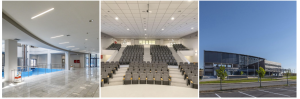
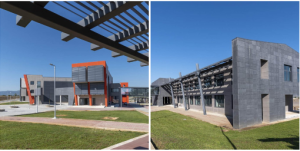
Room 2:
Schedule
4th Purple week Program|Kozani - Greece
Day 1: 11.5.2026
Theme: Follow the thread of PPB metabolic versatility
Location: Chemical Engineering Department, University of Western Macedonia
Active Urban Planning Zone (ZEP) Kozani, Postal code: 50 150, Greece
Google maps |
Room info
| Time | Title | Speaker |
|---|---|---|
| 8:30–9:00 | Registration | |
| 9:00–9:30 | Presentation of the Training School | Dr. Ioanna Vasiliadou, Assistant Prof. University of Western Macedonia, Greece |
| 9:30–10:45 | Investigating purple microbiomes | Dr. David Weissbrodt, Professor, Department of Biotechnology and Food Science. Faculty of Natural Sciences. Norwegian University of Science and Technology, Norway |
| 10:45–11:15 | Coffee Break | |
| 11:15–12:30 | Redox-effects in metabolism: Biosynthesis of bacteriochlorophyll and carotenoid pigments | Dr. Caroline Autenrieth, Scientist Fraunhofer Institute for Manufacturing Engineering and Automation IPA, Stuttgart, Germany |
| 12:30–13:45 | Lunch Break | |
| 13:45–15:45 | Practical Exercise: Processing and functional annotation of a PPB genome | Dr. David Weissbrodt, Professor, Department of Biotechnology and Food Science. Faculty of Natural Sciences. Norwegian University of Science and Technology, Norway |
| 15:45–16:15 | Coffee Break | |
| 16:15–18:00 | Lab exercise – Extract bacteriochlorophyll and carotenoids pigments from Rhodospirillum rubrum cells | Dr. Caroline Autenrieth, Scientist Fraunhofer Institute for Manufacturing Engineering and Automation IPA, Stuttgart, Germany |
| Evening | Organized dinner in the city center – AVLI (Instagram) – 20€ per person |
Day 2: 12.5.2026
| Time | Title | Speaker |
|---|---|---|
| 8:30–9:00 | Registration | |
| 9:00–10:15 | Theory Session: Introduction to Metabolic Network Modelling | Sebastian Götz, Hochschule Biberach, Biberach University of Applied Science, Biberach, Germany |
| 10:15–10:45 | Coffee Break | |
| 10:45–11:30 | Practical Exercise: Getting Started with CellNetAnalyzer | Sebastian Götz, Hochschule Biberach, Biberach University of Applied Science, Biberach, Germany |
| 11:30–12:45 | Practical Exercise: Analyzing Metabolic Networks with CellNetAnalyzer | Sebastian Götz, Hochschule Biberach, Biberach University of Applied Science, Biberach, Germany |
| 12:45–13:45 | Lunch Break | |
| 13:45–15:45 | Practical Exercise: Student Mini-Projects Theory Session: Summary, Outlook, and Study Materials | Sebastian Götz, Hochschule Biberach, Biberach University of Applied Science, Biberach, Germany |
| 15:45–16:15 | Coffee Break | |
| 16:15–17:45 | Bifurcation analysis of metabolic products – Theory | Dr. Ioanna Vasiliadou, Assistant Prof. University of Western Macedonia |
Day 3: 13.5.2026
| Time | Title | Speaker |
|---|---|---|
| 8:30–9:00 | Registration | |
| 9:00–10:30 | Practical Exercise: Bifurcation analysis of metabolic products | Dr. Ioanna Vasiliadou, Assistant Prof. University of Western Macedonia |
| 10:30–11:00 | Coffee Break | |
| 11:00–12:30 | Practical Exercise: Bifurcation analysis of metabolic products | Dr. Ioanna Vasiliadou, Assistant Prof. University of Western Macedonia |
| 12:30–13:45 | Lunch Break | |
| 14:00 | Technical visit: Visit by bus to Kolchiko Innovation Park (KIP) – A Model Innovation Park in Kolchiko, Lagkadas |
Accommodation and Transportation information
Accommodation information
A number of 2 to 5 star hotels has been selected, located within the city of Kozani (it is recommended to contact the hotel directly by email):
- ΕRΜΙΟΝΙΟΝ ***** – Nikis Square, Kozani, 50100 Greece
- Aliakmon Hotel*** – Eleutheriou Venizelou 38, Kozani, 50100, Greece
- Anesis Hotel** – Plateia Lassani 14, Kozani, 50100, Greece
- Ark Urban Living – Ipirou 10, Kozani, 50132, Greece
- Katerina Hotel** – 3rd of September Str. 20, Kozani, 50100, Greece
- Elena Hotel** – Dimocratias 47, Kozani, 50100, Greece
Transportation information
Transportation from Kozani City Center to the University of Western Macedonia (ZEP Campus)
UOWM (University of Western Macedonia, (ZEP) can be easily reached.
The University campus in ZEP is located approximately 6–7 km from the center of Kozani.
- by taxi: 10-minute ride from the center of Kozani. Taxis are available throughout the city center.
- by Bus (Public Transportation)
- You can take a bus LINE No 10 heading to ZEP / Πανεπιστημιούπολη ΖΕΠ.
- The trip duration is approximately 20–25 minutes.
- Tickets can be purchased on the bus or at designated ticket points at the (University or station in Lassani Square).
The following public transportation routes are scheduled from Monday, May 11th to Wednesday May 13th, connecting various points in the city of Kozani to the venue and vice versa:
| Bus Station | Officer’s Club | Folklore Museum | UOWM Venue | Lassani Square | Bus Station |
| 8:15 | 8:25 | 8:30 | 8:45 | 9:00 | 9:15 |
| 8:45 | 8:55 | 9:00 | 9:15 | 9:30 | 9:45 |
| 9:15 | 9:25 | 9:30 | 9:45 | 10:00 | 10:15 |
| 9:45 | 9:55 | 10:00 | 10:15 | 10:30 | 10:45 |
| 10:15 | 10:25 | 10:30 | 10:45 | 11:00 | 11:15 |
| 10:45 | 10:55 | 11:00 | 11:15 | 11:30 | 11:45 |
| 11:15 | 11:25 | 11:30 | 11:45 | 12:00 | 12:15 |
| 11:45 | 11:55 | 12:00 | 12:15 | 12:30 | 12:45 |
| 12:15 | 12:25 | 12:30 | 12:45 | 13:00 | 13:15 |
| 12:45 | 12:55 | 13:00 | 13:15 | 13:30 | 13:45 |
| 13:15 | 13:25 | 13:30 | 13:45 | 14:00 | 14:15 |
| 13:45 | 13:55 | 14:00 | 14:15 | 14:30 | 14:45 |
| 14:15 | 14:25 | 14:30 | 14:45 | 15:00 | 15:15 |
| 14:45 | 14:55 | 15:00 | 15:15 | 15:30 | 15:45 |
| 15:15 | 15:25 | 15:30 | 15:45 | 16:00 | 16:15 |
| 15:45 | 15:55 | 16:00 | 16:15 | 16:30 | 16:45 |
| 16:15 | 16:25 | 16:30 | 16:45 | 17:00 | 17:15 |
| 16:45 | 16:55 | 17:00 | 17:15 | 17:30 | 17:45 |
| 17:15 | 17:25 | 17:30 | 17:45 | 18:00 | 18:15 |
| 17:45 | 17:55 | 18:00 | 18:15 | 18:30 | 18:45 |
| 18:15 | 18:25 | 18:30 | 18:45 | 19:00 | 19:15 |
| 18:45 | 18:55 | 19:00 | 19:15 | 19:30 | 19:45 |
| 19:15 | 19:25 | 19:30 | 19:45 | 20:00 | 20:15 |
| 19:45 | 19:55 | 20:00 | 20:15 | 20:30 | 20:45 |
| 20:15 | 20:25 | 20:30 | 20:45 | 21:00 | 21:15 |
| 20:45 | 20:55 | 21:00 | 21:15 | 21:30 | 21:45 |
How to Travel from Thessaloniki Airport to Kozani
The best way is to arrive in Thessaloniki’s airport Makedonia- https://www.skg-airport.gr/en/
Option 1 to Kozani: By Bus (Public Transport)
- Upon arrival at Thessaloniki Airport (SKG), take Bus Line 01X or 01N to Thessaloniki Intercity Bus Station (KTEL Macedonia).
- Travel time: ~45–60 minutes
- Tickets can be purchased on the bus or via the OASTH app.
- At KTEL Macedonia, take a KTEL Kozani bus to Kozani.
- Travel time: ~2.5–3 hours
- Tickets can be purchased at the station or online.
- The bus arrives at Kozani KTEL Bus Station, located near the city center.
Option 2 to Kozani: By Bus booked by UOWM – recommended.
- Upon arrival at Thessaloniki Airport (SKG), a bus will wait at airport and will bring you directly to the center of the Kozani city.
- The ticket price and the time of departure will be announced in accordance with participants expressed preference to travel by booked bus and based on their arrival time.
- If you wish to use this service please send an email to Ioanna Vasiliadou (local organizer) ivasiliadou@uowm.gr
Tourism in Kozani
- Archaeological Collection of Kozani – 8 Dimokratias Str., Kozani 50131
- Historical – Folklore and Natural History Museum of Kozani – 9-11 I. Dragoumi St., Τ.Κ. 50100, Kozani
- Nikis Square, Kozani – Sant Nicolas Clock Tower
- Lassani Square, Kozani
Financial Support – Application procedure for reimbursement
Documentation for applying
The training week is completely free of charge, with no registration fee. However, if you require financial support, you can also apply for funding to cover travel and accommodation expenses. To request reimbursement, please submit the following documentation:
- Applicants must upload a short Curriculum Vitae (in English).
- Applicants must upload a motivation letter (in English).
- Applicants must upload a scanned copy of their passport (if applicants do not have a passport, they can upload their national ID card)
Selection criteria
The selection criteria for participants that will be eligible for reimbursement will comply with the COST Excellence and Inclusiveness Policy, in the implementation of the Action and will encourage attendance by a diverse selection of participants in consideration of:
- Underrepresented groups, including those with disabilities. Priority will be given to underrepresented groups, including those with disabilities.
- Gender balance.
- The level of involvement of Inclusiveness Target Countries (ITCs). Priority will be given to participants form Inclusiveness Target Countries. The current list of ITCs include Albania, Armenia, Bosnia and Herzegovina, Bulgaria, Cyprus, Czech Republic, Estonia, Croatia, Georgia, Greece, Hungary, Lithuania, Latvia, Malta, Moldova, Montenegro, Poland, Portugal, Romania, Slovenia, Slovakia, Republic of North Macedonia, Republic of Serbia, Turkey and Ukraine.
- The level of involvement of Early Career Investigators (ECIs). Priority will be given to PhD students and young post-doctoral researchers, followed by senior post-doctoral researchers and professors.
- In addition, Training School organizers may also consider other special attributes such as
- Type, or level of expertise in the field of the Workshop based on the curriculum vitae,
- Appropriate core knowledge and understanding
- Willingness to participate based on the motivation letter
- Demonstrated interest based on the motivation letter,
- The positive impact that the participants will have on the applicant’s future carrier
Financial support
Financial support through reimbursement does not necessarily cover all expenses. A fixed daily allowance of EUR 150 is available for participants. In addition, for travel:
- Up to a maximum of EUR 500 in total can be afforded to each successful applicant from ITC country.
- Up to a maximum of EUR 300 in total can be afforded to each successful applicant from non-ITC country.
- Up to a maximum of EUR 100 in total can be afforded to each successful applicant from Greece (for travel over a distance of 100 km).
Note that locals (from Kozani) cannot claim travel reimbursement. This financial contribution must be understood as financial aid aimed to help applicants to cover the expenses of their participation in the Workshop. This financial aid does not aim to cover 100% of the expenses. When claiming costs in e-COST, please consider that claims higher than the values provided above will be asked for modifications, so please make your claim as accurate as possible to avoid unnecessary delays in the payment.
Please see the General Rules to be reimbursed (https://www.cost.eu/uploads/2025/11/COST-094-21-Annotated-Rules-for-COST-Actions-Level-C-V3.0-25-IX-2025.pdf).
Evaluation process and result announcement
Evaluation process
The selection committee, composed of the Action Chair, the Vice Chair, the Grant Awarding coordinator, the Training Schools Coordinator and the WG1 Leaders, and the local organizers will evaluate the applications within a short time period (after the abstract submission deadline) and will inform all the applicants for their evaluation results. The successful applicants will then receive an e-mail from the grant holder (Grant Letter Notification), stating the official approval of the reimbursement, the granted budget and a payment request form which has to be completed after the completion of the Training School.
Criteria of reimbursement
If the amount of reimbursement by all applications within a call does not exceed the available budget, the applications are handled by the selection committee. If there are more applications than funding is available, the following procedure takes place.
- A list of all applications (containing an informative summary) is distributed to all members of the selection committee in form of a table in which every evaluator can mark which applications he or she can evaluate according to their field of expertise.
- To guarantee a fair and objective evaluation, an evaluator should have no affiliation with neither the home nor the host institution of the application in question.
- All applications are evaluated by two members of the selection committee. The Grant Awarding coordinator distributes the proposals to the individual evaluators.
- The criteria given in the table below shall be applied for evaluation. The first criterion (a) is assessed by the Grant Awarding coordinator prior to the evaluation process.
| Criterion | max. points |
| a) Before any further criteria are considered | |
| Application is complete and fulfils all formal requirements | pass/no pass |
| The application will be ranked last if the applicant was granted in previous call | pass/no pass |
| b) Evaluation of the application | |
| Applicant from ITC country | 0 or 10 |
| Applicant is ECI (or promotes gender balance) | 0 or 10 |
| Impact on the career of the applicant | 15 |
| Willingness to participate based on the motivation letter | 10 |
| CV of the applicant | 10 |
| Relevance to the objectives of PurpleGain Action | 20 |
- The evaluators report their evaluations to the Grant Awarding coordinator.
- The Grant Awarding coordinator ranks all evaluations and then reports the final result to the selection committee to be discussed and accepted.
- The applicants are informed about the decision reached.
More information
For further information, you may contact the
- Dr Raul Muñoz Torre – Grant Awarding Coordinator
- Dr Daniel Melchor Puyol Santos – Chair
- Dr. Joana Fradinho – Vice-Chair
- Dr. Ioanna Vasiliadou – Training Schools Coordinator